Basement Stabilization in Greenville, SC
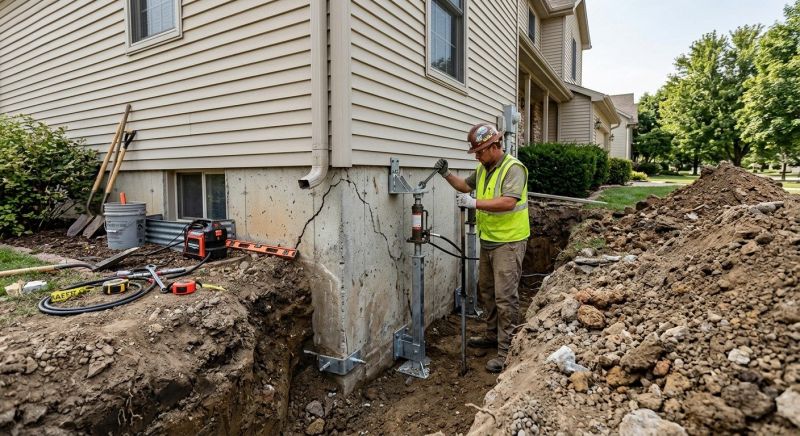
Basement stabilization services are designed to address issues related to shifting or settling foundations that can compromise the integrity of a home’s basement. These services typically involve techniques such as underpinning, piering, or installing supports to reinforce the foundation and prevent further movement. Projects often include stabilizing bowing or cracked walls, leveling uneven floors, or correcting foundation settlement caused by soil movement or water exposure. Property owners usually want to understand the causes of basement instability, the methods used to stabilize the structure, and how these solutions can protect the home’s safety and value over time.
Before requesting basement stabilization, homeowners should consider the extent of the foundation issues and whether they are related to specific factors such as poor drainage, soil conditions, or previous water damage. It’s important to evaluate the condition of basement walls, floors, and support structures to determine the most appropriate stabilization approach. Understanding the potential impact on property value and the long-term effectiveness of different stabilization methods can help property owners make informed decisions about addressing foundation concerns.
Many property owners in Greenville, SC look into Basement Stabilization for repairs, replacements, upgrades, and appearance-related improvements.
Foundation Support Solutions
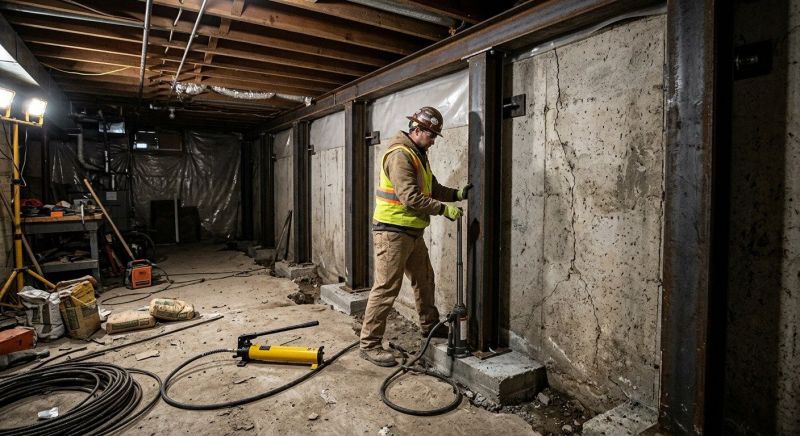
Basement stabilization helps prevent further settling and structural issues in homes and commercial properties.
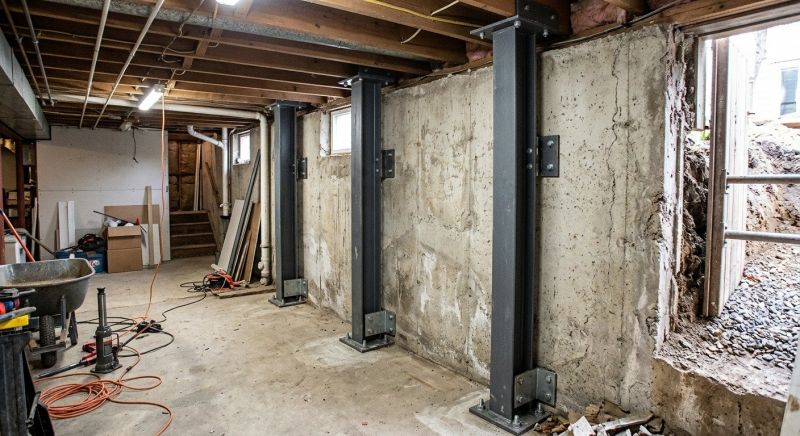
Common Causes Of Basement Movement
Soil shifts, water intrusion, and poor drainage are typical factors that lead to basement instability in greenville and nearby areas.
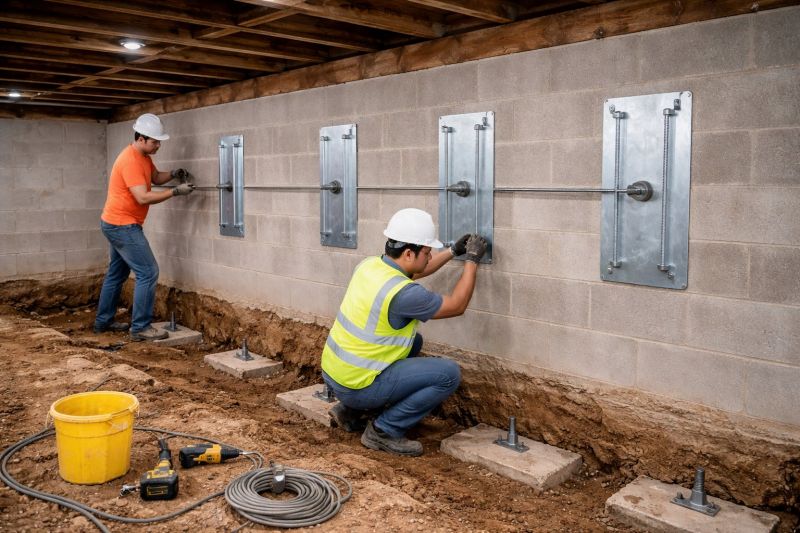
Benefits Of Stabilization Services
Proper stabilization enhances safety, preserves property value, and reduces the risk of costly repairs in the future.
Basement Stabilization in Greenville, SC

Basement stabilization services are designed to address issues related to shifting or settling foundations that can compromise the integrity of a home’s basement. These services typically involve techniques such as underpinning, piering, or installing supports to reinforce the foundation and prevent further movement. Projects often include stabilizing bowing or cracked walls, leveling uneven floors, or correcting foundation settlement caused by soil movement or water exposure. Property owners usually want to understand the causes of basement instability, the methods used to stabilize the structure, and how these solutions can protect the home’s safety and value over time.
Before requesting basement stabilization, homeowners should consider the extent of the foundation issues and whether they are related to specific factors such as poor drainage, soil conditions, or previous water damage. It’s important to evaluate the condition of basement walls, floors, and support structures to determine the most appropriate stabilization approach. Understanding the potential impact on property value and the long-term effectiveness of different stabilization methods can help property owners make informed decisions about addressing foundation concerns.
Many property owners in Greenville, SC look into Basement Stabilization for repairs, replacements, upgrades, and appearance-related improvements.
Common Basement Stabilization Jobs
Basement stabilization involves reinforcing the foundation to prevent shifting and settling.
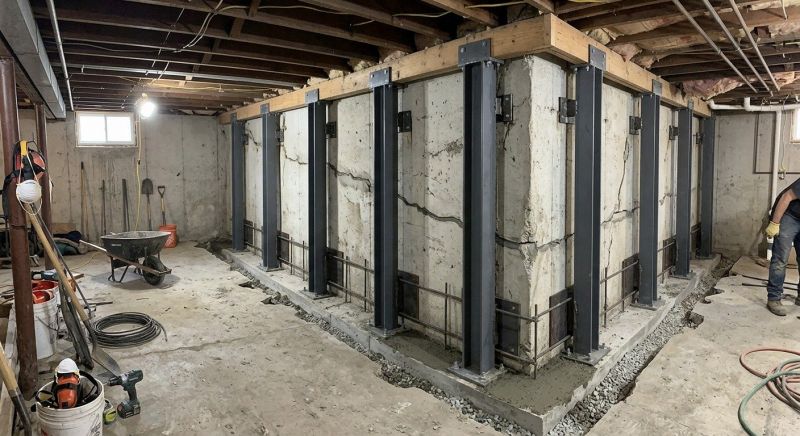
Wall bracing and underpinning help maintain structural integrity in uneven or cracked basements.
Soil stabilization techniques are used to improve ground support around basement walls.
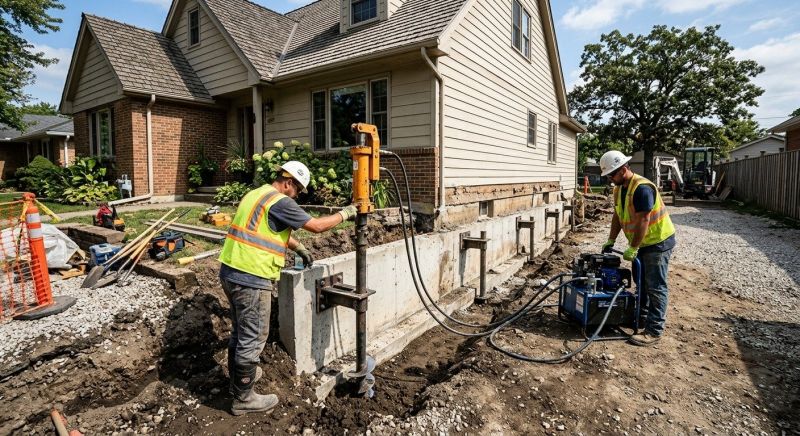
Pier and beam supports are installed to lift and stabilize sagging or bowed basement walls.
Drainage solutions may be added to reduce water pressure that causes basement movement.
Foundation reinforcement aims to restore stability and prevent future structural issues.
Basement Stabilization Questions
What is basement stabilization? Basement stabilization involves reinforcing the foundation to prevent or repair settling, cracking, and structural issues.
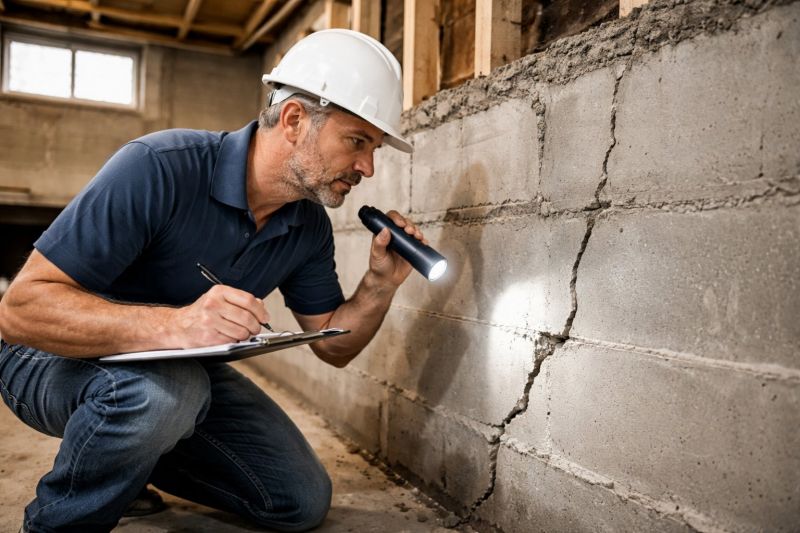
What types of problems indicate a need for stabilization? Signs include uneven floors, cracked walls, bowed walls, or water intrusion caused by shifting soil.
How is basement stabilization typically performed? Techniques include underpinning, wall anchoring, or installing support beams to reinforce the structure.
Is basement stabilization suitable for all types of foundations? It can be adapted to various foundation types, but a professional assessment determines the best approach.
Request Basement Stabilization in Greenville, SC
Use the quote form on this page to share the basics of your project and request more information for the type of work you need.